

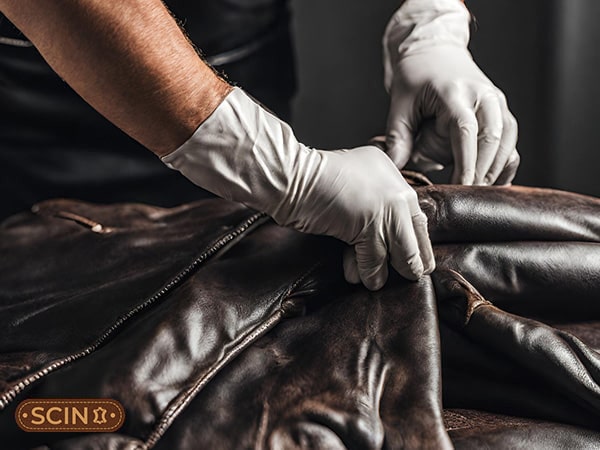
The Ultimate Guide to Getting Mold Out of Leather Apparel Safely
Discovering a fuzzy layer of green, white, or black spots on a premium leather jacket is an absolute nightmare. Because genuine leather is an organic material made of proteins and natural oils, it acts like an all-inclusive buffet for mold spores when trapped in dark, humid wardrobes
Wiping the surface clean is not enough. To permanently save your investment, you must destroy the underlying fungal root system without stripping the hide’s protective oils.
Meta description:
Learn how to remove mold from leather apparel safely. Follow expert cleaning, drying, and prevention tips to restore leather jackets and garments
Here is the definitive, expert-approved emergency protocol to eradicate mold safely at home
Quick answer: Discovering a fuzzy layer of green, white, or black spots on a premium leather jacket is an absolute nightmare. Because genuine leather is an organic material made of proteins and natural oils, it acts like an all-inclusive buffet for mold spores when trapped in dark, humid wardrobes
Wiping the surface clean is not enough. To permanently save your investment, you must destroy the underlying fungal root system without stripping the hide’s protective oils.
Here is the definitive, expert-approved emergency protocol to eradicate mold safely at home.
The 5-Step Mold Eradication Sequence
Mold spores spread rapidly through the air. Always execute this procedure outdoors or in a highly ventilated area (like a garage) to avoid contaminating your indoor living space.
1. Gear Up & Prep the Jacket: Safety First.
Put on a face mask and protective gloves. Mold spores cause severe respiratory irritation and allergic reactions. Take a sticky lint roller or a soft-bristled horsehair brush and gently lift the loose surface spores. Do not scrub hard, or you will push the roots deeper into the hide’s microscopic pores.
2. Conduct a Panel Spot-Test: Critical Step.
Mix a 1:1 solution of white vinegar and distilled water in a small bowl. Dampen a clean microfiber cloth with the solution. Before wiping the whole garment, apply it to a hidden area (like the inner hem or under-collar). Wait 10 minutes to ensure no color bleeding, lifting, or fading occurs.
3. Wipe from Outside In: The Decontamination.
Lightly wipe the moldy areas using the dampened cloth in gentle, circular motions. Always wipe from the outside edges of the mold colony toward the center to stop the spores from spreading to clean parts of the leather. Keep the cloth damp; never completely saturate the panels.
4. Natural Ambient Drying: Takes 24 Hours.
Hang the jacket on a wide, contoured wooden hanger in a cool room with excellent air circulation. Never use a hair dryer, radiator, or direct sunlight. Forcing high heat onto damp leather alters its protein structures, causing severe shrinkage and irreversible cracking.
5. Condition and Seal the Pores: The Final Protectant.
Vinegar and alcohol are highly volatile cleaners that strip away essential moisture. Once the jacket is 100% dry, apply a thin, even layer of premium leather conditioner or balm. This restores flexibility, keeps the material supple, and creates a protective hydrophobic barrier.
Combatting the Source: Why Leather Molds
Different types of finishes carry varying levels of vulnerability to fungal attacks. Knowing your jacket’s material changes your defense strategy.
| Leather Finish | Tanning Method | Porosity / Moisture Capture | Fungal Risk Level | Special Cleaning Rule |
| Vegetable-Tanned | Natural organic plant tannins | High | Extremely High | Vulnerable to liquid staining; keep the vinegar mix highly diluted. |
| Chrome-Tanned | Mineral salts & chemicals | Medium | Medium | Resilient outer finish; easily cleaned with standard methods. |
| Suede / Nubuck | Split hide / Open-napped | Maximum | High | No Liquids. Use a dry suede brush, suede eraser, or professional solvent spray only. |
Conclusion
Mold doesn’t have to mean the end of your favorite leather apparel. With the right cleaning process, proper drying techniques, and ongoing maintenance, most leather jackets, coats, and accessories can be restored safely.
The key is acting quickly. The longer mold remains on leather, the greater the risk of permanent staining and structural damage.
Regular cleaning, conditioning, and humidity control remain the best defenses against future mold growth and will help your leather apparel stay beautiful for years to come.
Frequently Asked Questions
-
Can mold permanently damage leather?
Yes. If left untreated, mold can weaken leather fibers, cause staining, and produce permanent discoloration.
-
Is mold on leather dangerous?
Mold spores may trigger allergies and respiratory irritation in sensitive individuals.
-
Can I save a moldy leather jacket?
Most leather jackets can be restored if mold is treated early and the leather structure remains intact.
-
Does sunlight kill mold on leather?
Limited indirect sunlight may help reduce moisture, but prolonged direct exposure can fade and crack leather.
-
How long does mold removal take?
Most surface mold cleaning can be completed within a few hours, though drying and odor removal may require several days.